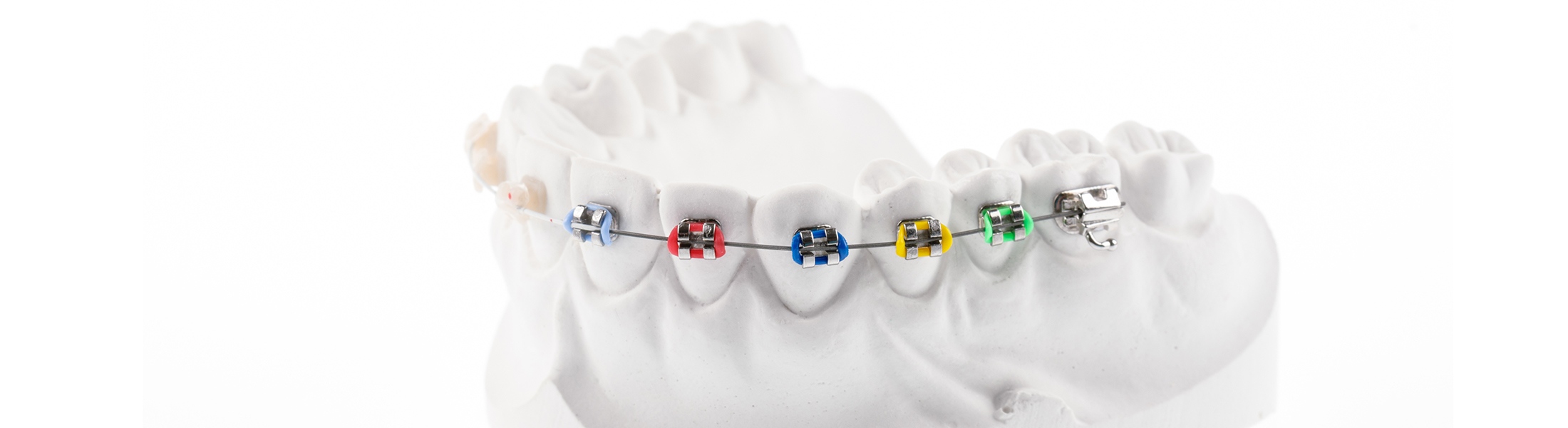
Orthodontics for children
Detecting misaligned teeth and jaws early and treating them at the right moment – neither too early nor too late.
Orthodontic procedures for children
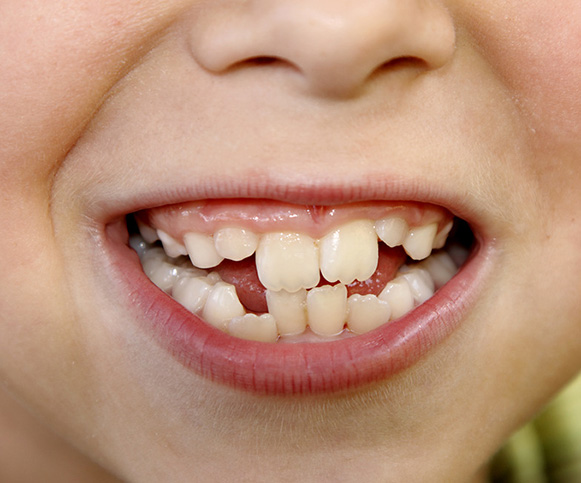
We recommend having your child's dentition examined in good time to check that it is functioning properly. Irregularities in the primary dentition frequently continue into the permanent dentition.
With some misaligned teeth it therefore makes sense to begin correction while the baby teeth are still in place – so that the dentition can develop without disturbance from the outset.
Paediatric dentistry and orthodontics work together under one roof with us. Your child therefore does not have to switch between two practices, and we keep an eye on prevention and tooth position together.
Why acting early pays off
As long as jaw growth is not yet complete, misalignments can be corrected considerably more easily.
Detect
First check-ups are useful from the age of three to five – by then all the baby teeth are present and dysfunctions are easy to identify.
Treat
Regular orthodontic treatment usually begins at around 9 to 12 years of age, before the end of pubertal growth.
Prevent
Some later misalignments do not develop at all if we address habits and space problems in good time.
Function and aesthetics
The aim is a chewing system that functions healthily and in balance – and a set of teeth your child likes to show.
Two phases, two approaches
In the primary dentition the focus is on small, targeted corrections: correcting a crossbite, closing an open bite, keeping space for the teeth coming through.
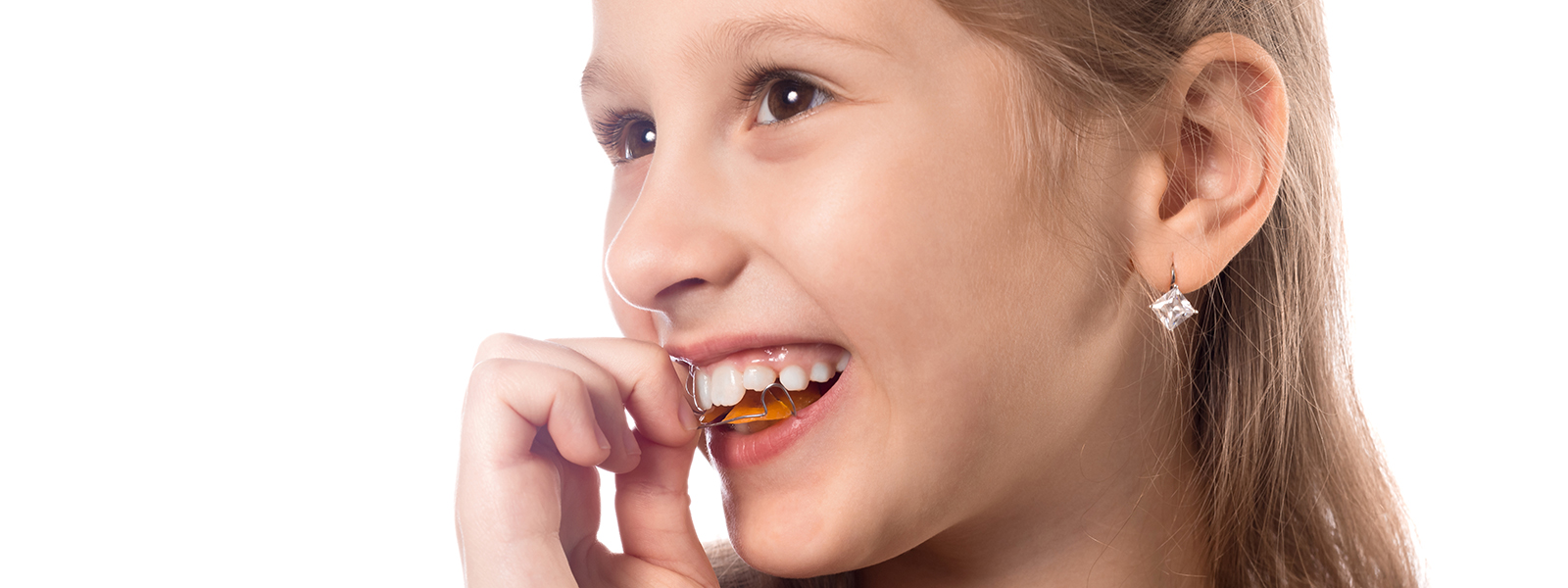
In the mixed dentition we usually work with removable braces and use natural growth to steer jaws and rows of teeth in the right direction.
The most important points at a glance
- Initial orthodontic check-ups are useful from the age of three to five, once all the baby teeth are there.
- Regular treatment usually begins between the ages of 9 and 12, before the end of pubertal growth.
- In the primary dentition the focus is on small, targeted corrections – correcting a crossbite, closing an open bite, keeping space.
- In the mixed dentition we usually work with removable braces and make use of natural growth.
- Paediatric dentistry and orthodontics work under one roof with us – no switching between two practices.