Children's teeth: gentle treatment and therapy

Treating children requires empathy, trust and a pleasant practice atmosphere – and we take our time for that.

Schedule Appointment 069 24743210
Online Appointment Request online now
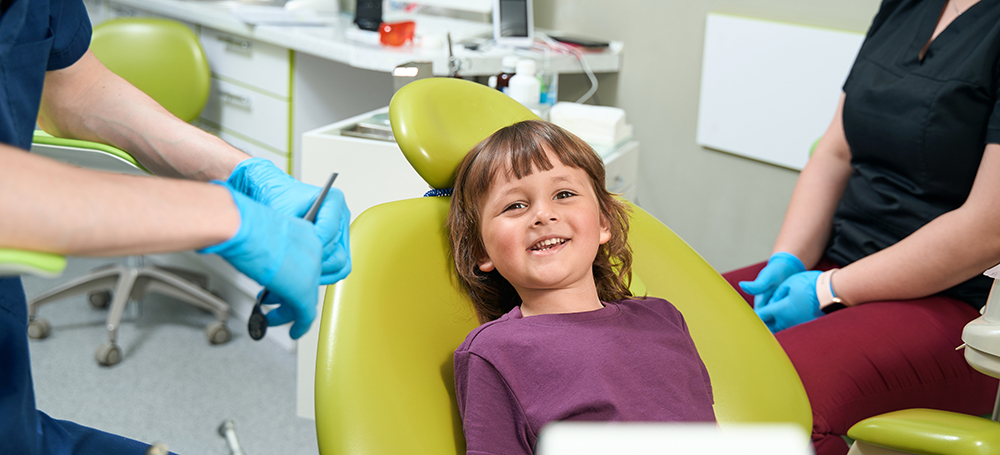
Child sitting relaxed in the treatment chair and smiling

Time, patience and the right moment

The teeth and jaws of children and adolescents are constantly developing. Early and regular check-ups allow us to determine the best time to begin treatment on a completely individual basis – and to respond effectively to growth-related changes in the dentition.

The period of the change of teeth is particularly important. It is often here that it is decided whether a small measure is enough or whether more extensive treatment will be needed later.

Early care also takes away your child's shyness: those who already know the practice when nothing hurts also come along relaxed when something does need to be done.

Treatments for the primary dentition

Baby teeth are space maintainers for the permanent teeth. That is why we treat them just as carefully – only in a child-friendly way.

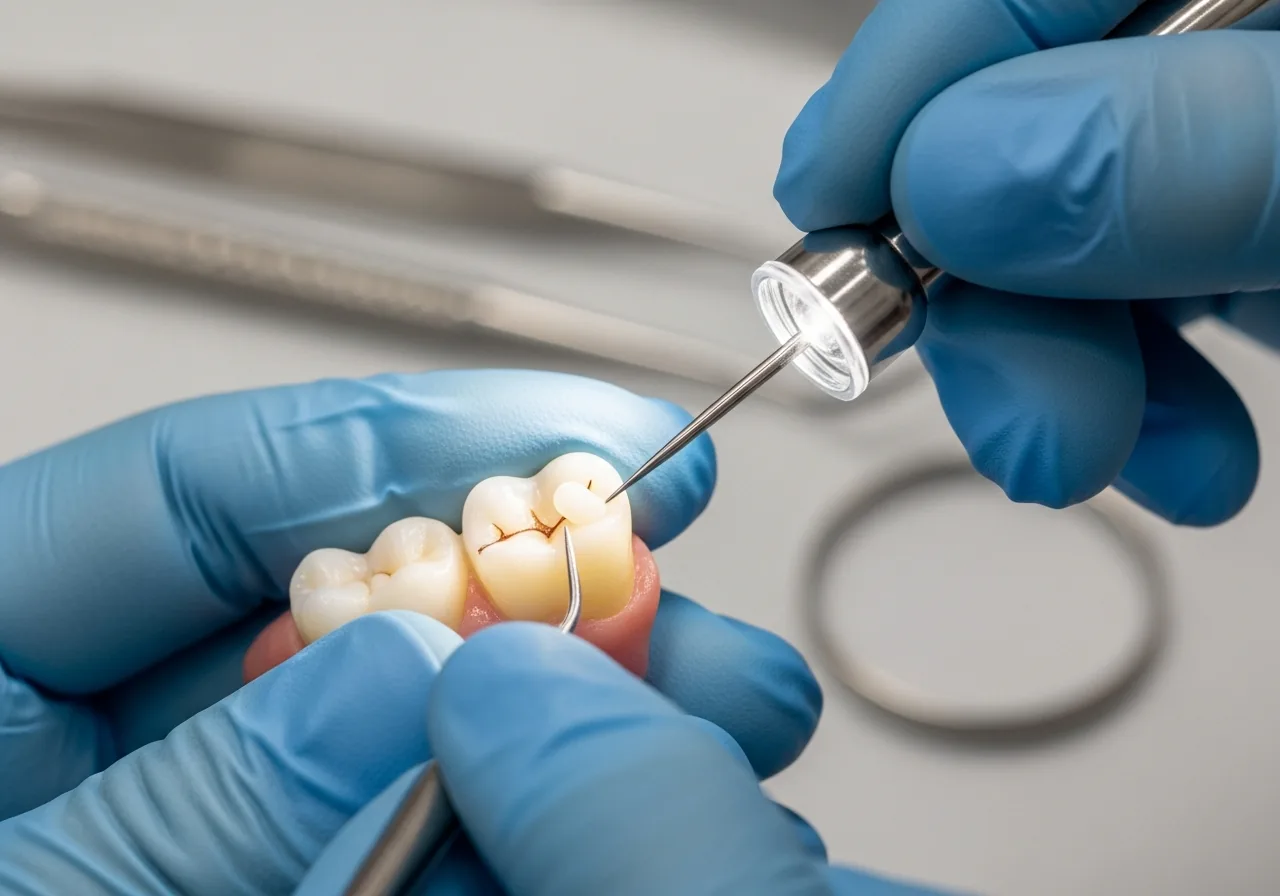
Dental filling therapy in close-up

Composite fillings

Tooth-coloured composite fillings give the baby tooth back its shape and function – stable until the change of teeth.

Further information

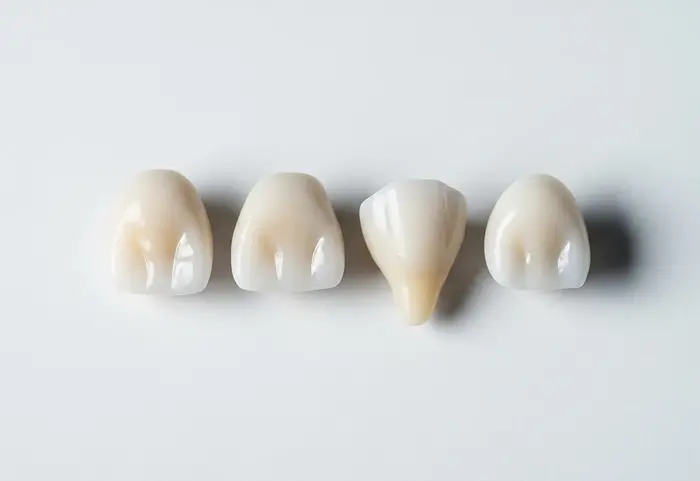
Dental crowns on a model

Crowns for baby teeth

If decay has badly damaged a molar, a prefabricated children's crown completely encloses the tooth and protects it.

Further information
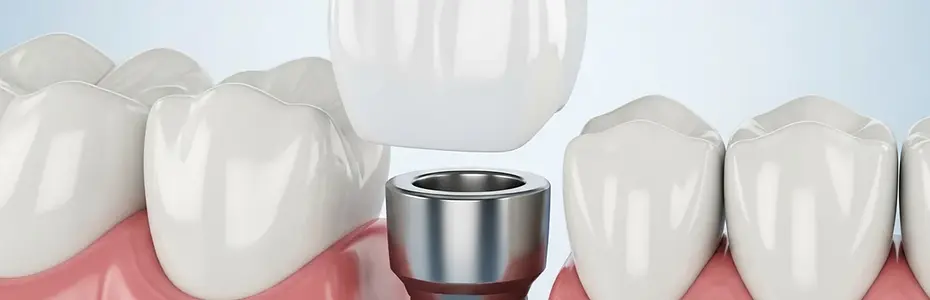
Schematic representation of a root canal treatment

Root canal treatment

If decay has reached the tooth nerve, a root canal treatment can preserve the baby tooth as a space maintainer.

Further information

Smiling child showing its baby teeth

Space maintainer

If a baby tooth is lost too early, a removable space maintainer keeps the gap open for the permanent tooth.

Further information
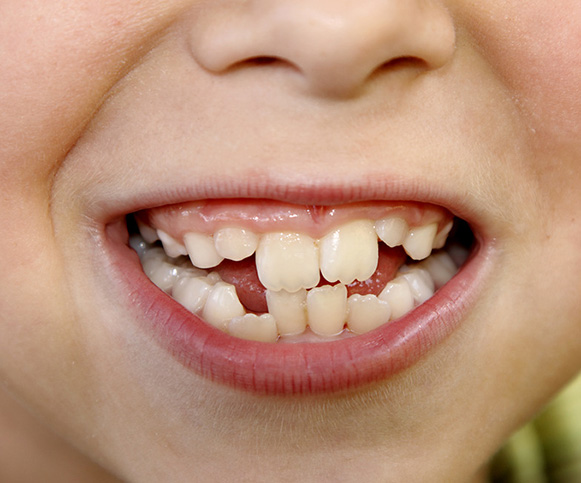
Child at the orthodontic examination

Early treatment

Some misalignments can be steered in the right direction with simple means while the baby teeth are still in place.

Further information
Toothbrush and dental floss for daily care

Questions about care

From what age to brush, how much toothpaste, what to do during the change of teeth? Answers to the most common parents' questions.

Further information

The most important points at a glance

  • Baby teeth are space maintainers for the permanent teeth and are therefore treated just as carefully.
  • The range of services includes composite fillings, crowns for baby teeth, root canal treatments and space maintainers.
  • The phase of the change of teeth is particularly important – it is often here that it is decided whether a small measure is enough.
  • Regular check-ups make it possible to determine the right time for a treatment individually.
  • Those who know the practice when nothing hurts also come along relaxed when something does need to be done.

Frequently Asked Questions

Why do baby teeth have to be treated if they fall out anyway?
Baby teeth keep the space free for the permanent teeth and are needed for chewing and speaking. If a baby tooth is lost too early, the neighbouring teeth drift into the gap and the tooth coming through has too little space. That is why we treat them just as carefully as permanent teeth.
What happens if a baby tooth is lost too early?
Then we keep the gap open with a space maintainer so that the neighbouring teeth do not drift in. The space maintainer is made individually and regularly adjusted to your child's growth.
Can a baby tooth be given a crown?
Yes. If a baby molar is so badly damaged that a filling no longer holds securely, we fit a prefabricated children's crown. It encloses the tooth completely and later falls out on its own together with the baby tooth.
Does treating a baby tooth hurt?
We treat with a local anaesthetic, preceded by a pleasant-tasting numbing gel. For longer treatments, nitrous oxide sedation is additionally possible. Your child is told exactly what will happen beforehand.
How often should my child come for a check-up?
As a rule twice a year. During the change of teeth or if there is an increased risk of decay, a shorter interval can make sense – we will tell you what suits your situation.