

Tooth decay in children's mouths
Preventing early childhood tooth decay and counteracting beginning decay in good time – so that healthy baby teeth become healthy permanent teeth.
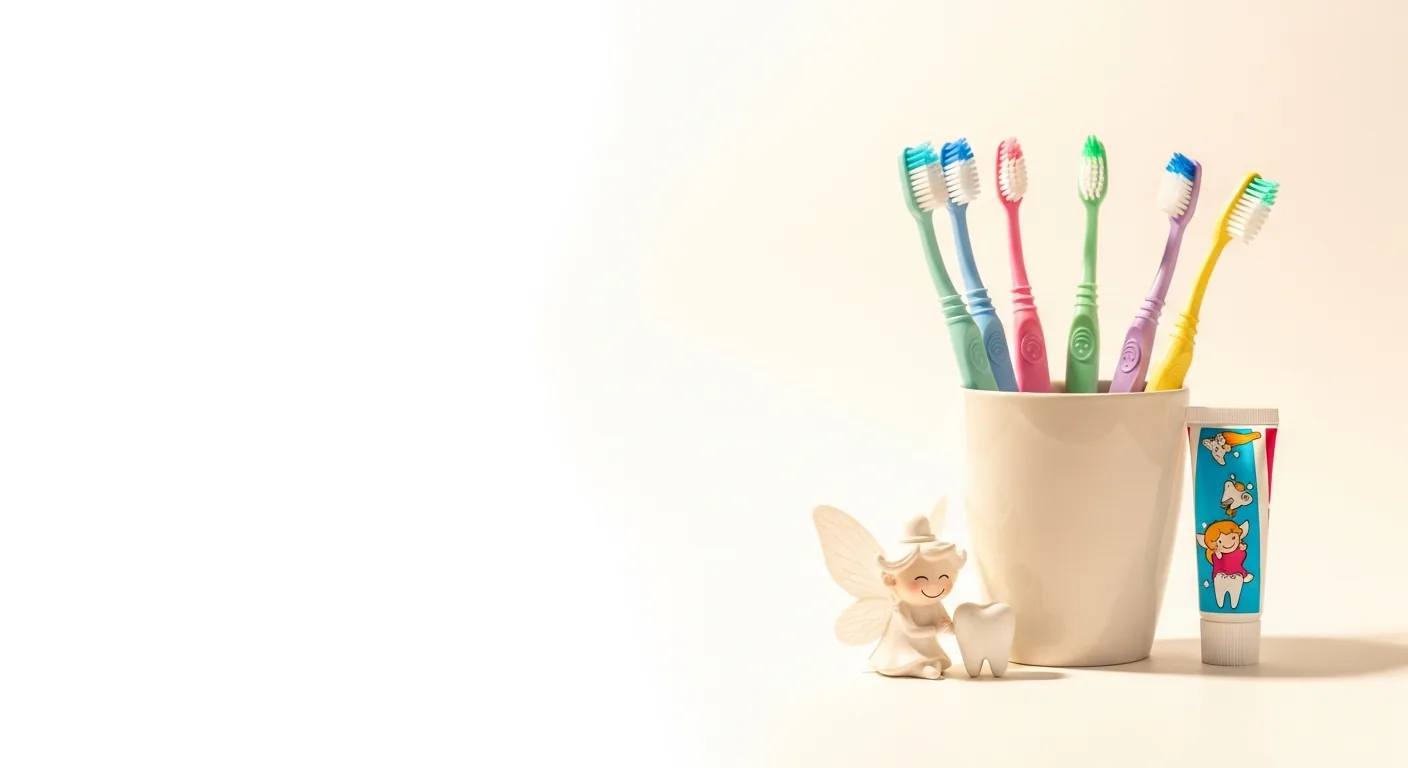
How tooth decay develops in children's mouths
In children's mouths too, dental plaque forms from food residues and saliva. The resulting biofilm settles firmly on the teeth if it is not removed by thorough oral hygiene and the correct brushing technique.
Whether this turns into tooth decay depends above all on the plaque bacteria and on sugar. Bacteria that cause decay adhere very quickly to the surface of baby teeth – precisely because their enamel is still thinner and softer than that of permanent teeth.
Our aim is to prevent the development of early childhood tooth decay effectively and to counteract beginning decay early. Professional treatment of children and prophylaxis are the best way to healthy and attractive teeth in adulthood.
This is how we protect your child's teeth
Four building blocks that interlock at our practice – and that can easily be continued at home.
Making plaque visible
With a harmless dye we show your child where something is still being missed when brushing. What you can see, you can also brush away.
Brushing lessons
We practise the correct brushing technique with your child – explained in an age-appropriate way and very practically on the model and on their own teeth.
Fluoridation
After professional cleaning we harden the tooth surfaces with fluoride varnish – an additional protective layer against acid attacks.
Twice a year
For children from the age of six, cleaning and fluoride varnish are covered twice a year by the statutory health insurance funds.
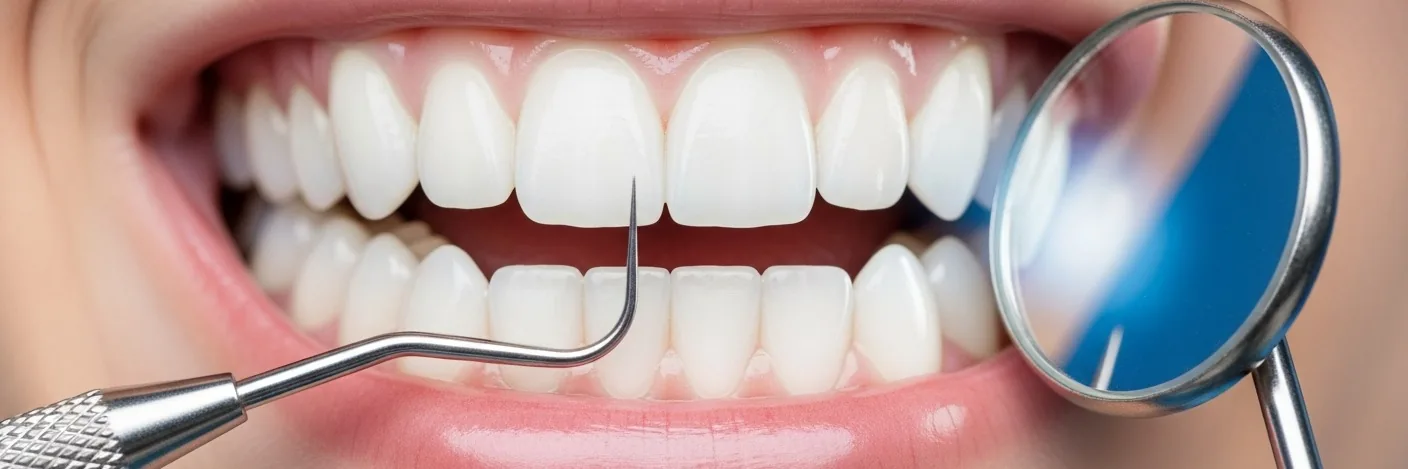
Fissure sealing: effective protection against decay on the chewing surfaces
In children, the fissures and pits of the back teeth – the fine grooves on the chewing surfaces – are particularly at risk of decay.
Their complex anatomy makes them difficult for the toothbrush to reach and difficult to clean. Plaque accumulates easily and the risk of decay increases.
With preventive fissure sealing we protect these vulnerable areas of healthy teeth with a thin sealant. This makes the grooves smooth and easy to clean – effective protection against decay on the chewing surfaces, entirely without drilling.
The most important points at a glance
- Tooth decay develops from plaque and sugar – the enamel of baby teeth is thinner and softer than that of permanent teeth.
- With a harmless dye we make visible to your child where something is still being missed when brushing.
- In the brushing lessons the correct technique is practised on the model and on the child's own teeth.
- Fluoride varnish hardens the tooth surfaces after the professional cleaning.
- Fissure sealing protects the grooves of the back teeth – entirely without drilling.
- From the age of six, cleaning and fluoride varnish are a health insurance benefit twice a year.