
Adolescents: treatment in the permanent dentition
Modern methods for a faster, gentler and above all more discreet therapy.

The right time for braces
Regular orthodontic treatment usually begins at around 9 to 12 years of age, that is before the end of pubertal growth. As long as jaw growth is not yet complete, misalignments can be corrected more easily.
At this age in particular, adolescents care about how a treatment looks and how noticeable it is in everyday life. That is why we discuss the options openly and honestly – and involve the young patients in the decision.
Removable or fixed?
Whether we work with a removable brace, a fixed brace or a combination of both depends on the diagnosis and the individual situation.
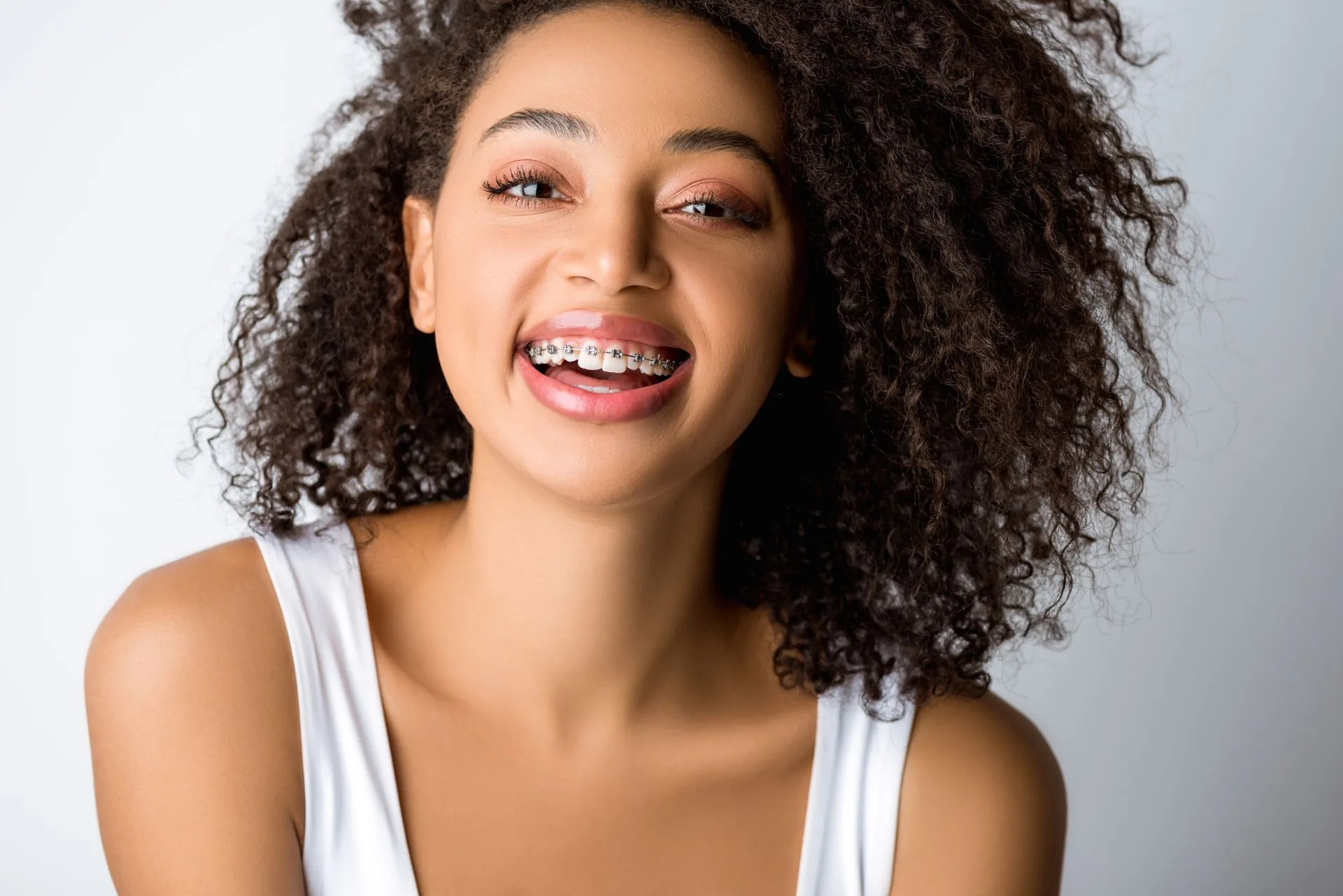
Minor misaligned teeth and jaw anomalies can often be corrected with removable braces – provided they are worn reliably.
For larger corrections in the permanent dentition we recommend fixed braces. They work around the clock and make it possible to move individual teeth very precisely.
We will clarify which option is the right one for your child together with you after a thorough diagnosis.
Lingual technique: the invisible brace
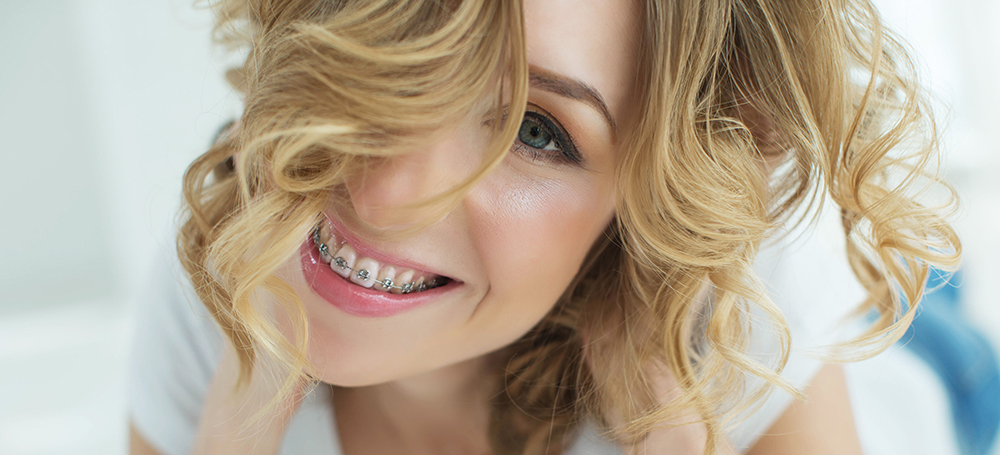
With the lingual technique, the brackets familiar from fixed braces are not placed on the outside of the teeth but on the inside – facing the tongue.
This makes the brace almost invisible. It works just as reliably as a classic fixed brace, but is practically unnoticeable in everyday life, at school and in photos.
Transparent aligners
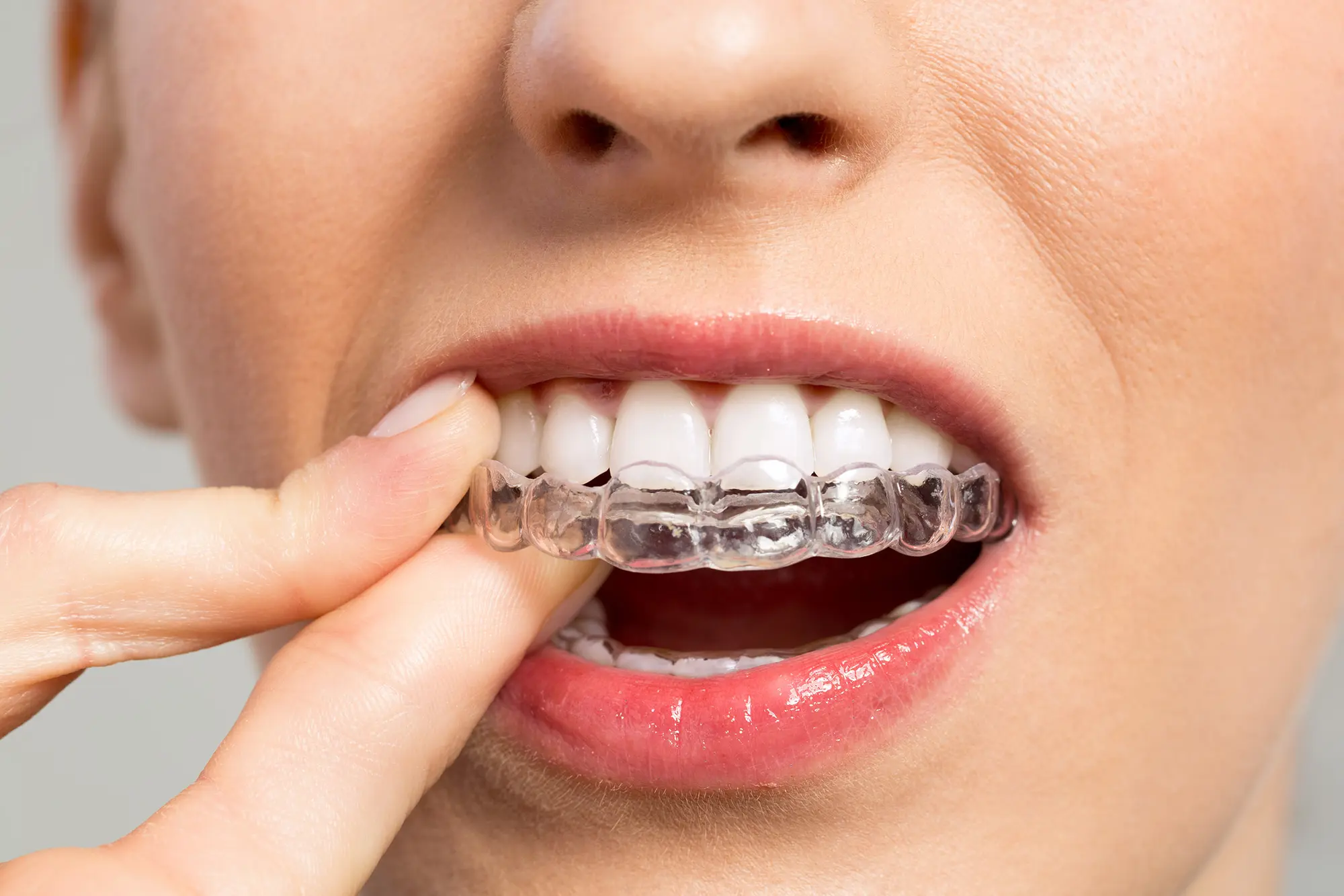
For young patients we offer a discreet correction with individually made aligners.
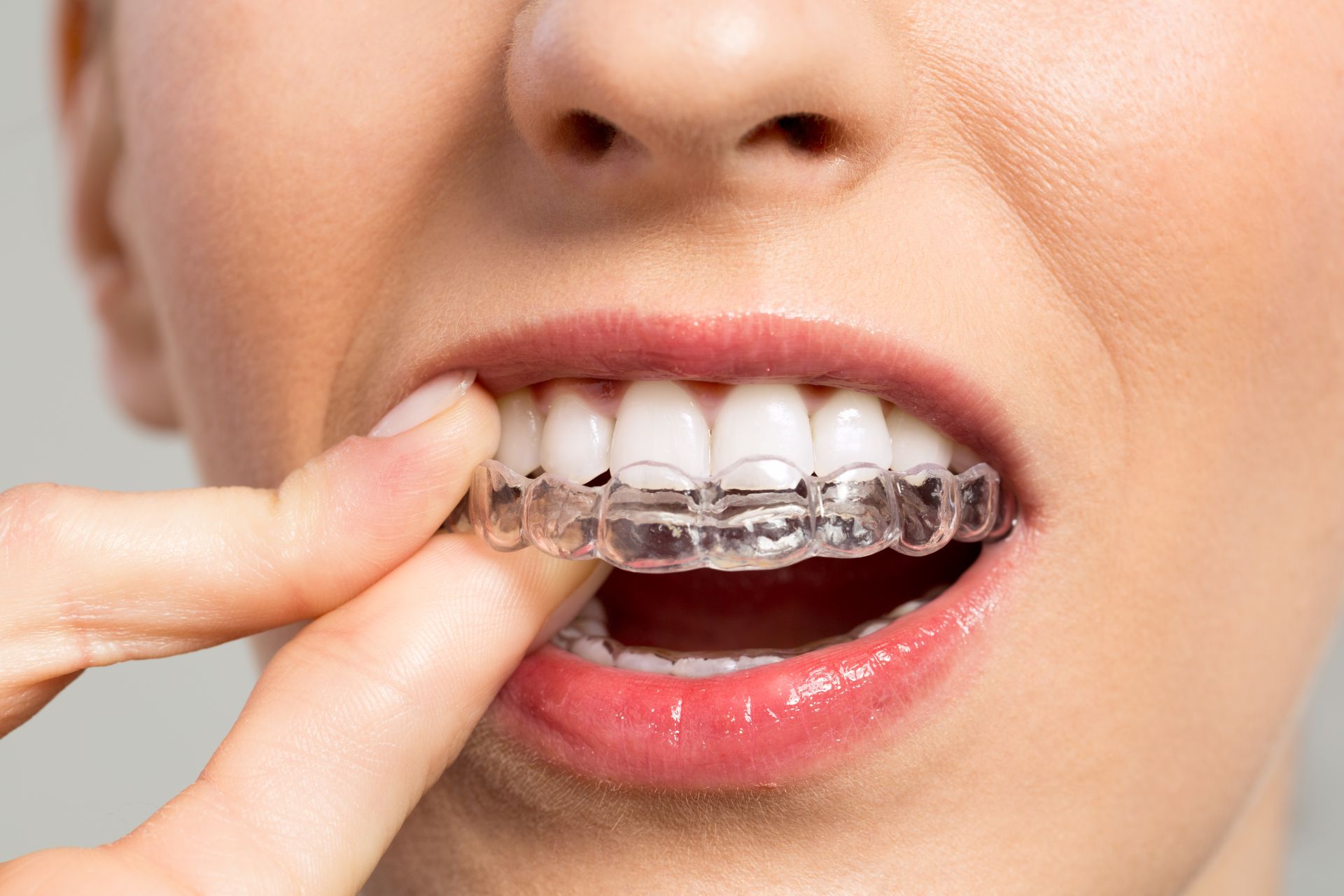
The transparent, almost invisible aligners are hardly noticed in everyday life. They fit precisely, are comfortable to wear and hinder neither speaking nor laughing.
They are simply taken out for eating and brushing – which makes oral hygiene during treatment considerably easier than with a fixed brace.

What can be corrected in this phase
- Rotations and axial misalignments of individual teeth
- Aligning displaced teeth
- Correction of deep and open bites
- Closing or opening gaps
In addition to the standard silver-coloured brackets, we can also bond tooth-coloured ceramic brackets. They do not discolour even when worn for a long time, because – unlike plastic – the material does not absorb colourings from food.
Which brace suits
your child?
We take a careful look at the position of the teeth, explain the options in an understandable way and tell you honestly what is necessary and what is not.

Sports mouthguard for children and adolescents
In many sports there is a considerable risk of injury to lips, cheeks, tongue and teeth. Around 95 per cent of all dental injuries occur before the age of 21.
An individually made sports mouthguard reliably protects children and adolescents, inline skaters and skateboard fans in particular from unnecessary tooth loss, annoying injuries and fractures.
It is made to fit your child's dentition precisely – and therefore sits better than an off-the-shelf model.
The most important points at a glance
- Treatment usually begins between the ages of 9 and 12, before the end of pubertal growth.
- Whether removable, fixed or combined depends on the diagnosis – not on wishful thinking.
- Lingual technique: the brackets sit on the inside of the teeth and are therefore almost invisible.
- Transparent aligners are simply taken out for eating and brushing.
- Tooth-coloured ceramic brackets do not discolour even when worn for a long time.
- An individually made sports mouthguard protects against dental injuries during sport.